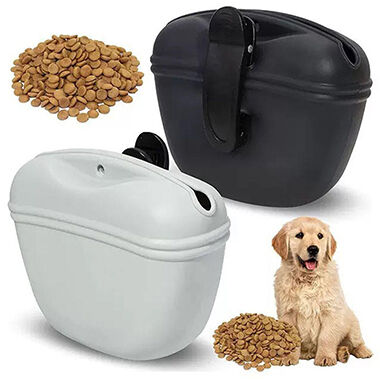
silicone bags for food
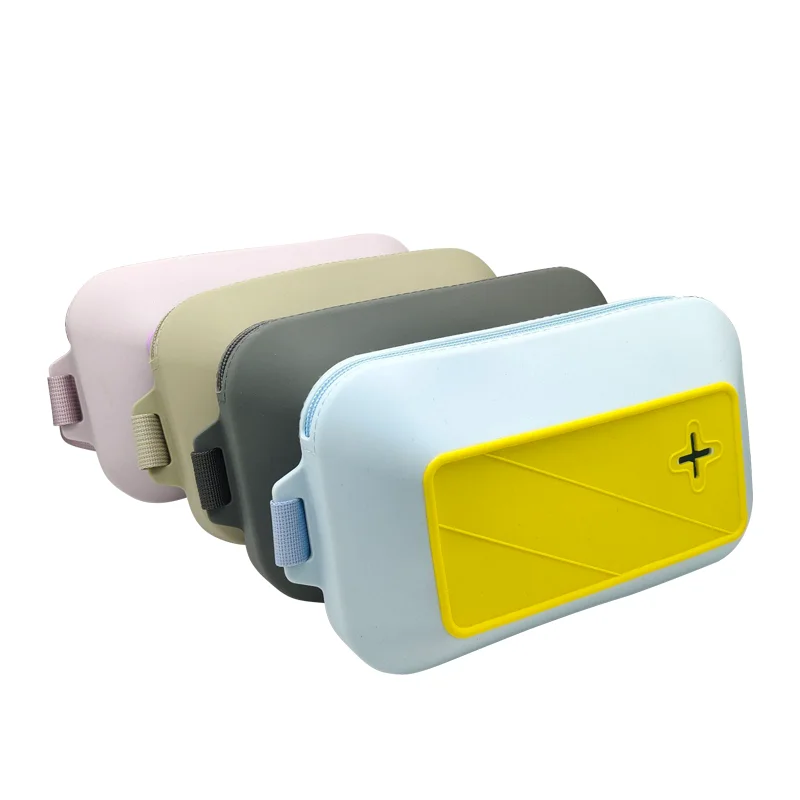
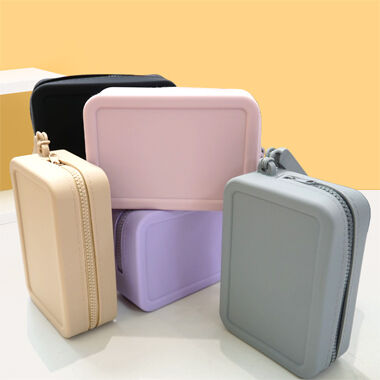
Silicone bags for food represent a revolutionary advancement in modern food storage technology, combining innovative materials science with practical kitchen solutions. These versatile containers are manufactured from premium food-grade silicone, a synthetic polymer derived from silicon, oxygen, carbon, and hydrogen. The sophisticated manufacturing process ensures that silicone bags for food maintain exceptional durability while providing safe, non-toxic storage options for various edible items. The primary function of these containers centers on preserving food freshness through airtight sealing mechanisms that prevent moisture loss and contamination. Advanced technological features include temperature resistance ranging from -40°F to 450°F, making them suitable for freezer storage, microwave heating, and even oven cooking. The molecular structure of silicone creates a naturally non-stick surface that prevents food particles from adhering, facilitating effortless cleaning and maintenance. These bags incorporate innovative zip-lock closures or twist-seal designs that create hermetic environments, extending food shelf life significantly compared to traditional storage methods. Applications span across multiple culinary domains, including meal preparation, leftover storage, marinating proteins, sous vide cooking, and travel food containment. Professional kitchens utilize silicone bags for food in batch cooking processes, while home cooks appreciate their versatility for daily meal planning. The transparent or translucent design allows easy content identification without opening containers, reducing unnecessary exposure to air. Modern silicone bags for food feature graduated measurement markings, enabling precise portion control and recipe scaling. Environmental sustainability represents another crucial aspect, as these reusable containers significantly reduce single-use plastic consumption. The inert nature of silicone prevents chemical migration into stored foods, ensuring taste preservation and nutritional integrity. Advanced manufacturing techniques incorporate reinforced seams and stress-distribution zones that prevent tearing under normal use conditions.
 ×
×

 EN
EN